About us
A printworks, a wood fire, and one very stubborn idea
The room
Rivington Street, and four years of nothing
The building was a printworks until the seventies, then a shoe shop, then empty for four years while three separate people tried and failed to make it into a bar. What survived all of that was the brick, the height, and a chimney flue running the full depth of the building — which turned out to be the only thing we actually needed.
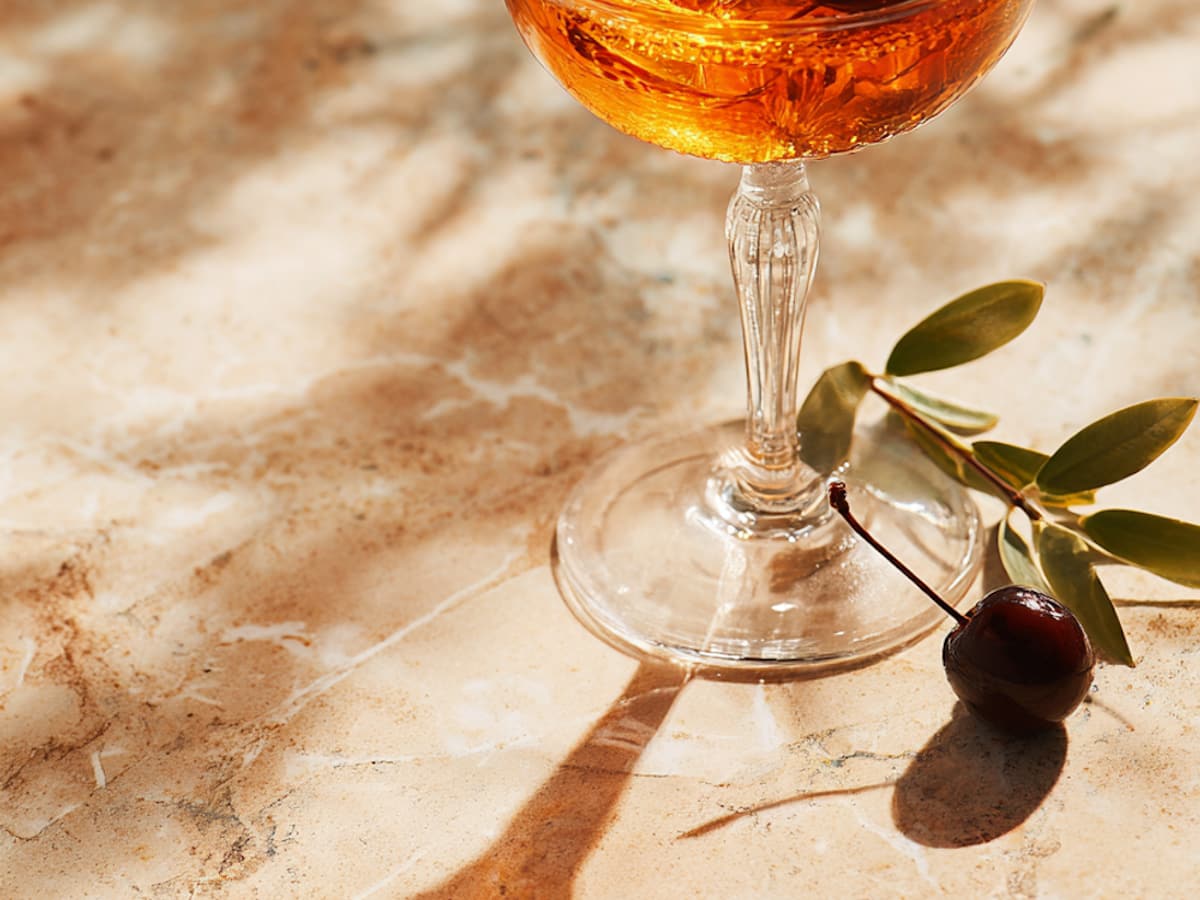
We built the oven against that flue and put the pass in front of it, open to the room, because hiding the fire in a back kitchen seemed like a waste of the one good thing the space had. The marble bar came second, and faces the pass rather than the wall, which is not how bars are usually arranged and is the decision we are most pleased with.
Everything else has been slow. The banquettes were reupholstered in the second year, the piano arrived in the third, and the menu has been rewritten roughly every six weeks since we opened. It is a small room that has been worked on for a long time, and it reads that way.
Chef and owner
Marco Bello
Marco grew up in Palermo, in a flat above his grandmother’s bakery, and learned to cook the way most Sicilians do — by being handed jobs nobody else wanted until he was good enough to be handed better ones. He left at nineteen for a restaurant in Turin, spent four years there learning how differently the north thinks about butter, and came to London in 2011.
He cooked in other people’s kitchens in Clerkenwell and Marylebone for eight years, and by the end of it had a fairly specific complaint: everywhere had too many stoves, too many sections, and too many dishes that existed because they were easy to hold. Bello’s was built as the argument against all three.
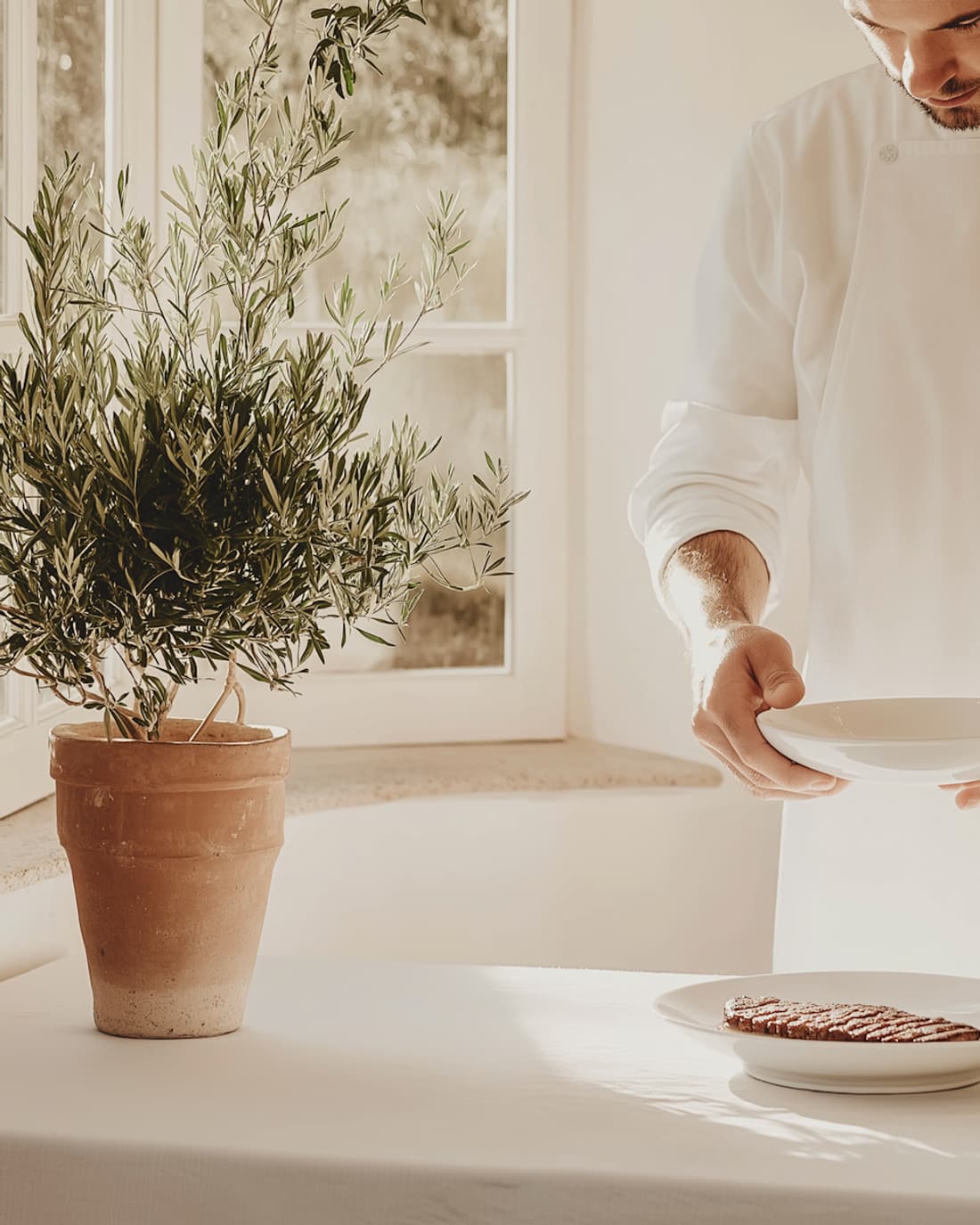
He still works the fire five nights a week. If you sit at the bar he will probably tell you what came in that morning, and if you ask him what to order he will answer honestly rather than expensively.
The evening
What it is actually like to sit in here
The lights come down at half past seven and stay there. Tables are close together, which we know is not to everyone’s taste, but the room was built for forty-two and pretending otherwise would mean fewer people and worse food. The banquettes along the left wall are the quietest seats; the bar is the loudest and the most fun.
From Thursday to Saturday there is an upright piano in the corner from around nine, unamplified, played by whoever is booked that week. It changes the room rather than filling it — you can still hold a conversation, and most people stay an hour longer than they meant to.
- One wood fire
- Holm oak and olive wood, lit at eleven every morning and never allowed to go out during service. It is the only heat in the kitchen.
- Produce, twice a week
- Fish up from Cornwall on Tuesdays and Fridays, beef from a farm outside Ludlow, and whatever the Bermondsey greengrocer has that morning.
- Piano from nine
- Thursday to Saturday, an upright in the corner and no amplification. Loud enough to change the room, quiet enough to talk over.
- Forty-two covers
- Plus eight seats along the marble facing the pass. We seat one table at a time and never turn a table twice in an evening.